


Product Overview
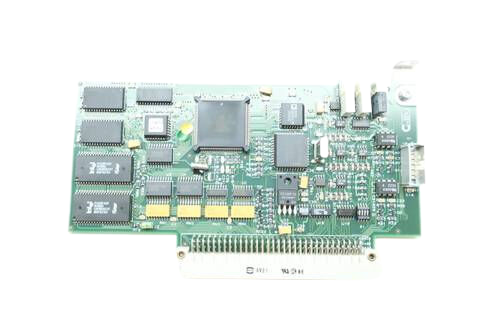
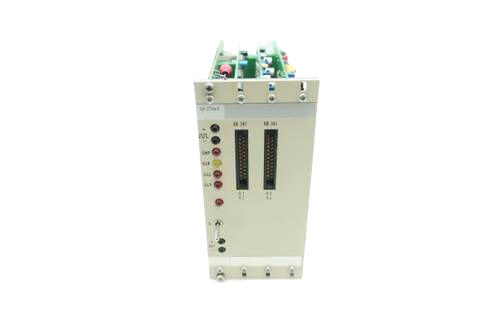
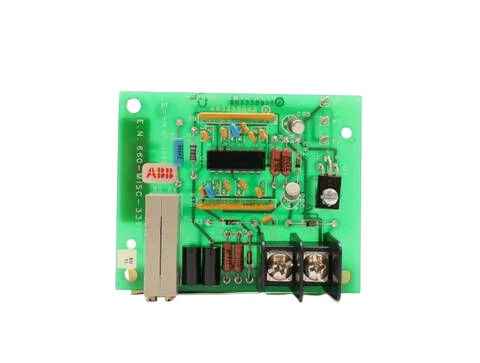
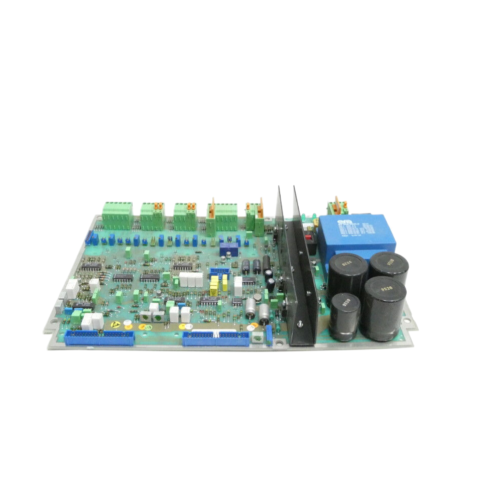
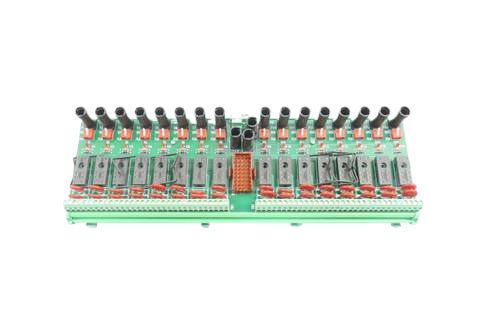
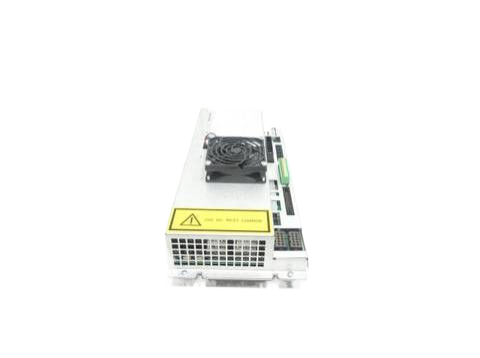
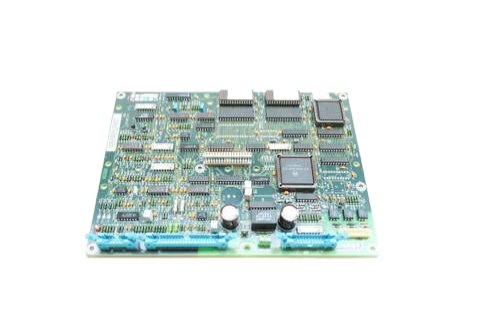
The nan model from Uncategorized offers advanced electrical control solutions designed for industrial environments. This product integrates cutting-edge technology to optimize automation processes, ensuring reliable and efficient performance. Tailored for diverse industrial applications, the nan enhances control systems with precision and durability. Users benefit from seamless integration with existing equipment, making it a versatile choice for enhancing operational workflows. With a focus on high-quality manufacturing standards, the Uncategorized nan model stands out as a dependable component for modern electrical setups.
Technical Specifications
| Parameter | Specification |
|---|---|
| Model | nan |
| Brand | Uncategorized |
| Voltage | 24 V DC |
| Operating Temperature | -20°C to 60°C |
| Dimensions (L×W×H) | 120 mm × 80 mm × 40 mm |
| Weight | 250 g |
Product Features
The nan model is engineered with multiple features that cater to industrial control requirements. Its robust construction ensures longevity in harsh environments, providing consistent electrical performance. Incorporating state-of-the-art technology, this model supports seamless integration with automation systems, enhancing overall equipment efficiency. The compact design facilitates easy installation in constrained spaces, optimizing control panel layouts. Additionally, it includes advanced safety mechanisms to protect against electrical overloads and ensure stable operation. These features collectively deliver superior performance, making it a reliable choice for industrial applications.
Applications
The nan model is ideal for various industrial and automation settings. It is extensively used in electrical control systems to manage and monitor equipment performance effectively. This model fits well within manufacturing plants, processing units, and other industrial installations requiring precise control and reliable operation. Its adaptability allows it to serve as a critical component in automation projects aimed at improving workflow efficiency and reducing downtime. By integrating this model, industrial operators can achieve enhanced control over their electrical equipment and systems.


There are no reviews yet.